
Services
Seven engineering services
Each practice is described as work we can scope with you. Nothing on this page is a claim about a finished customer site.
01
Software Development
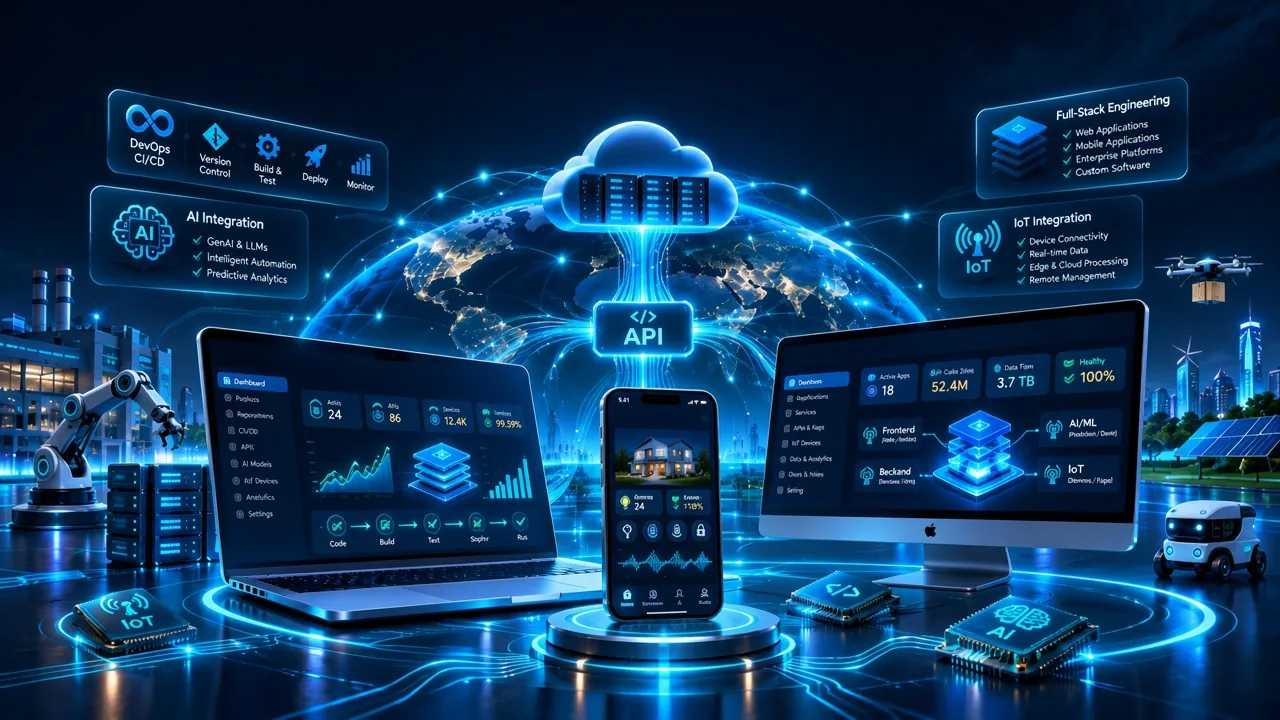
Software at SATHURIX is the layer a person actually uses: a site, an app, a desktop tool, or an API. We scope it with the hardware and the data it depends on, and we label examples on this site as studies until a project is verified and cleared to publish.
Technologies
- Next.js
- React
- FastAPI
- PostgreSQL
What this is for
- Operators get screens that match the product they actually run.
- The API and the device messages are specified as one system.
Web application development
Business sites, shops, Next.js applications, customer portals, dashboards, and admin screens.
Mobile application development
Android, iOS, and Flutter apps, including device controls, service tools, and notification flows.
Desktop application development
Windows and Linux tools for configuration, firmware upload, monitoring, and hardware diagnostics.
Backend and API development
REST APIs in FastAPI or Node.js, PostgreSQL, sign-in, third-party integrations, and live updates.
Cloud and DevOps
Docker, Linux servers, CI/CD, hosting, databases, and a way to see that a deployment is still healthy.
Custom enterprise software
Inventory, warehouse, attendance, sales dashboards, ERP connections, and workflow tools scoped to the business.
02
IoT Solutions
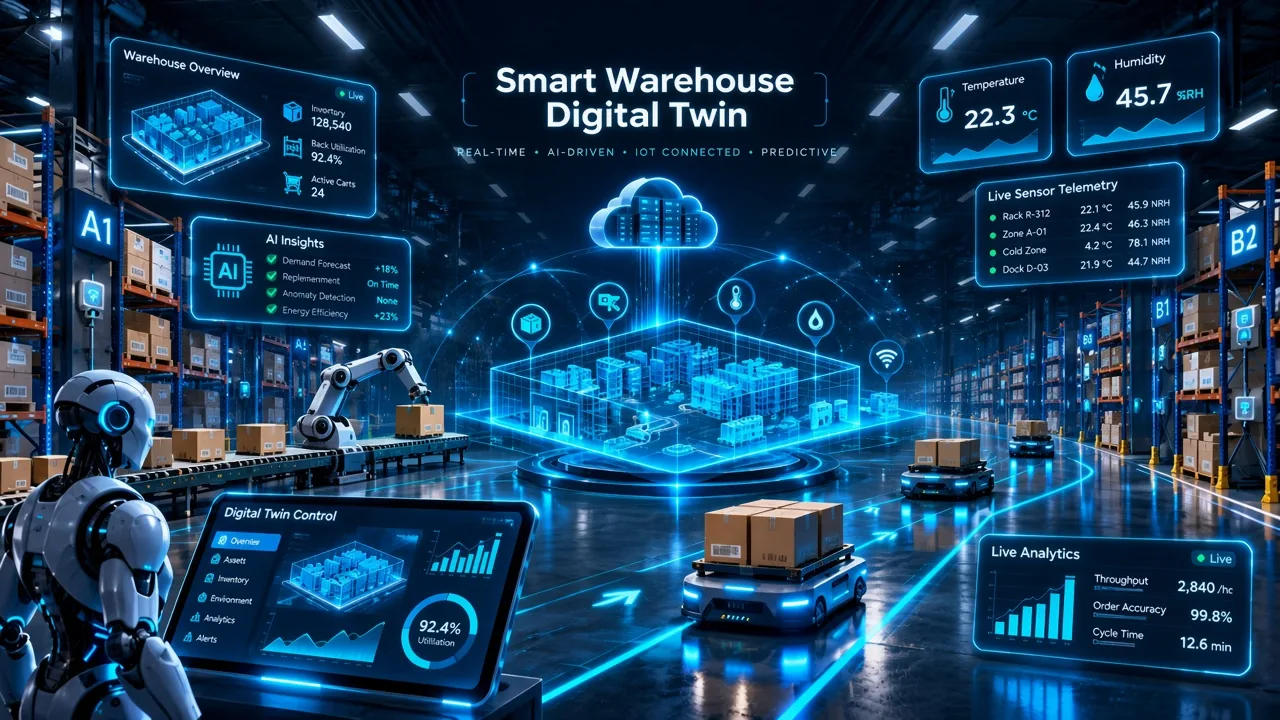
IoT work at SATHURIX starts with the measurement, the radio link, and the person who has to act on the data. We design the path from a sensor node to a dashboard, including the topics, alerts, and history that make the system operable.
Technologies
- Sensor nodes
- MQTT
- Operator dashboards
What this is for
- A reading has a place, a unit, and a person who acts on it.
- Alerts use limits agreed for that site.
Smart warehouse monitoring
Zone temperature, door state, and aisle conditions collected onto one view, with alerts when a reading leaves its range.
Industrial IoT
Machine and panel data brought onto a network that maintenance and operations staff can use during a shift.
Environmental monitoring
Air, humidity, noise, or water readings stored with a time history that can be exported and reviewed.
Connected device dashboards
Live and recent device data laid out for the people who run the site, not as a generic chart wall.
Wireless sensor networks
Node placement, power budget, and radio links for sensors that cannot be cabled back to a cabinet.
MQTT communication
Topic design, retained messages, and quality of service so devices and software stay in agreement.
03
Embedded Systems
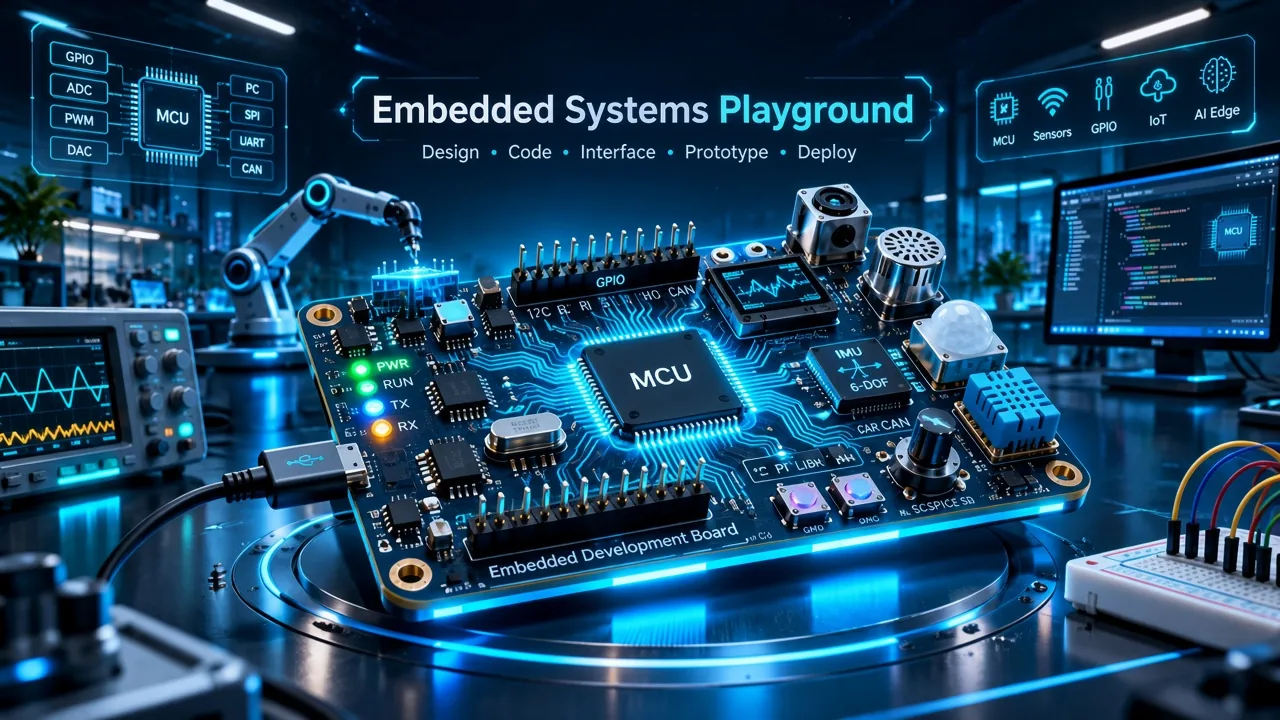
Embedded work covers the firmware, the electrical interface, and the protocol between the device and everything above it. The aim is a build that can be flashed, logged, and handed to the next engineer with the constraints written down.
Technologies
- ESP32
- STM32
- Raspberry Pi
What this is for
- Pins, safe states, and messages are written down before a board is flashed.
- The next engineer can build and log the same firmware.
ESP32 firmware
Wi-Fi and Bluetooth node firmware for sensing, local decisions, and publishing data upstream.
STM32 microcontrollers
Cortex-M firmware where timing, low-level peripherals, and industrial I/O need closer control.
Raspberry Pi systems
Linux-based gateways, vision hosts, and robot computers with a service layout that can be restarted cleanly.
Hardware-software integration
Bring-up that joins a board, its firmware, and the application so a fault can be traced across that boundary.
Sensor interfacing
Reading digital and analog sensors, including scaling, filtering, and what the value means when the sensor drifts.
Communication protocols
UART, I2C, SPI, and network protocols selected for the cable, the noise, and the device on the other end.
04
Artificial Intelligence
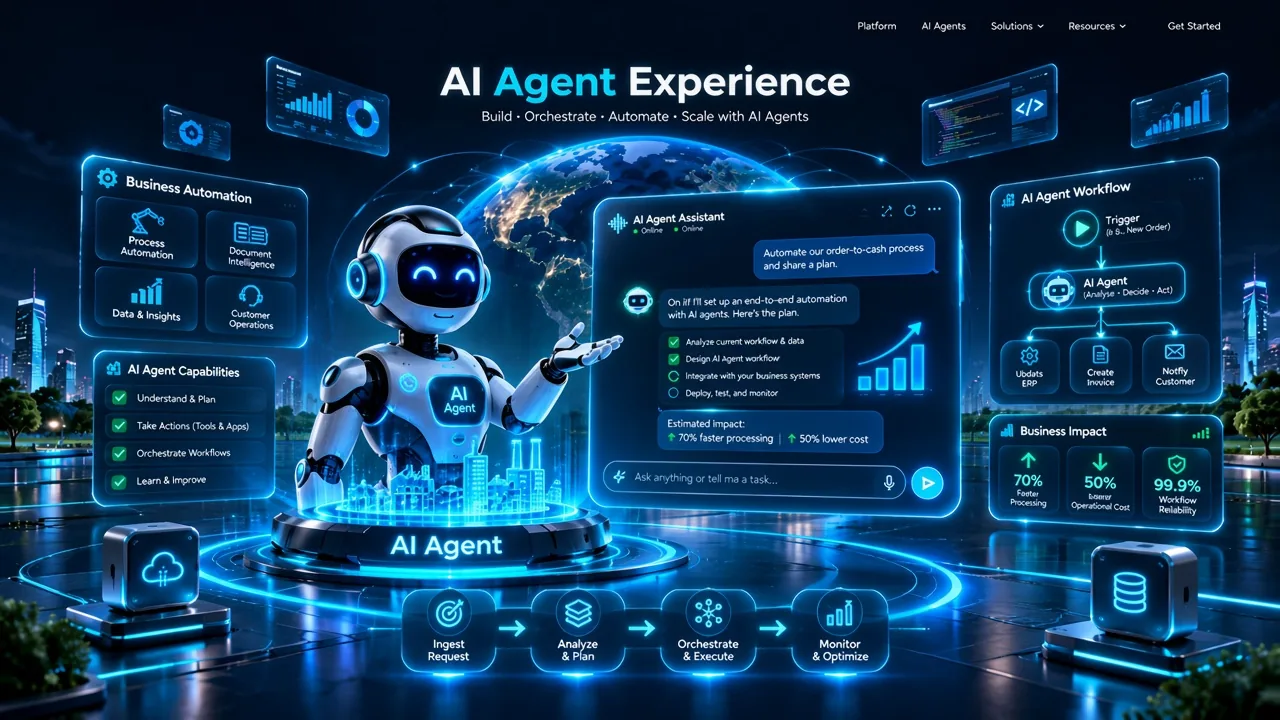
AI work is scoped around a task a person already does: sorting a request, reading a document, or deciding what a device event means. We prefer a small, inspectable workflow over a model dropped into a process with no owner.
Technologies
- Task workflows
- Local models
- Hosted APIs
What this is for
- A task has an owner, a review step, and a record of what ran.
- A model is added for one job, not dropped into an unnamed process.
AI agents
Task-focused assistants with a defined tool set, a human review step, and a record of what they did.
Local large language models
Models that run on hardware you control when data should stay on site or the network is unreliable.
Intelligent automation
Repeated decisions and hand-offs turned into a workflow with explicit inputs, outputs, and exceptions.
AI-powered business applications
Internal tools that use a model for one clear job, with the surrounding software written so staff can correct it.
AI API integration
Connections to hosted model APIs, including timeouts, cost limits, and a fallback when the service is down.
05
Machine Learning
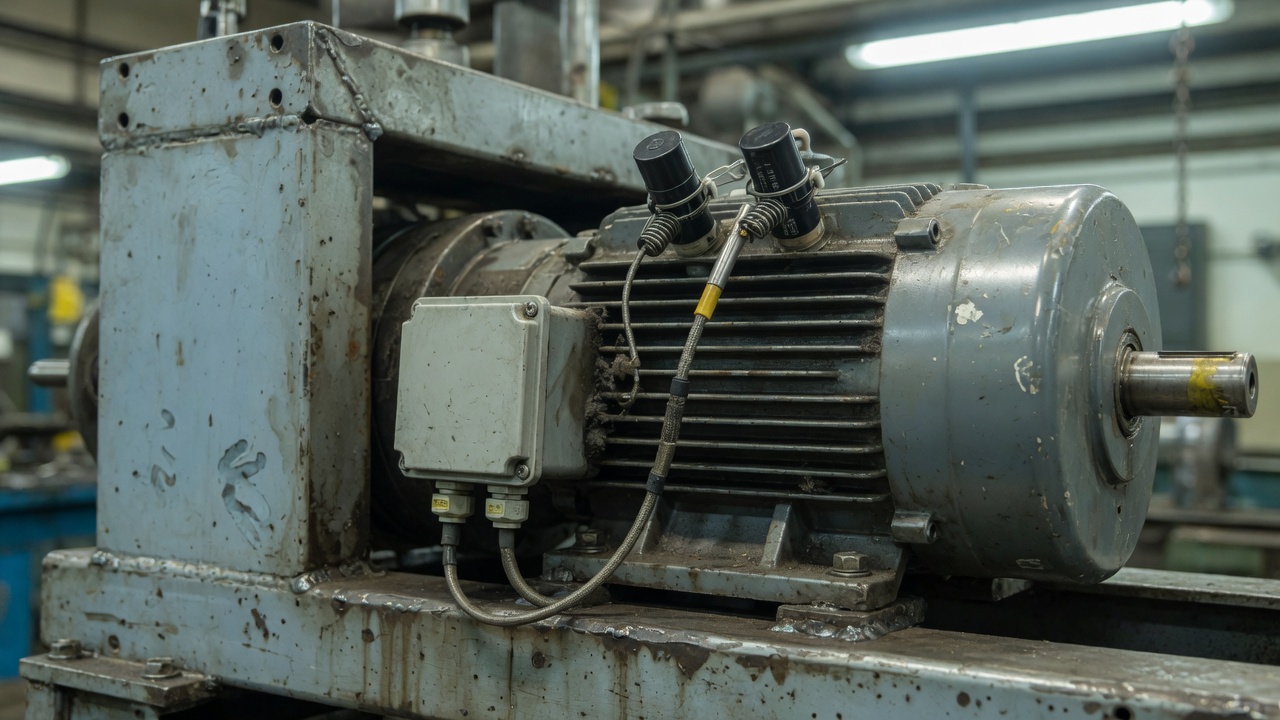
Machine learning starts with the data you actually have and the decision the model is allowed to influence. We prepare the dataset, train a model that matches the size of the problem, and leave a way to evaluate it after deployment.
Technologies
- Prediction
- Classification
- Model packaging
What this is for
- The decision the model may influence is named before training starts.
- A later run can be repeated from the same data steps.
Predictive analytics
Forecasts and early warnings from historical sensor or operations data, with the error range shown beside the number.
Classification and regression
Models that label an event or estimate a continuous value, chosen for the data volume and the cost of a wrong answer.
Data processing
Cleaning, alignment, and feature preparation so a later training run can be repeated from the same steps.
Model training
Training and evaluation with a held-out set, a recorded configuration, and a comparison against a simple baseline.
ML deployment
Packaging a model as a service or an on-device job, with versioning and a way to roll back.
06
Computer Vision
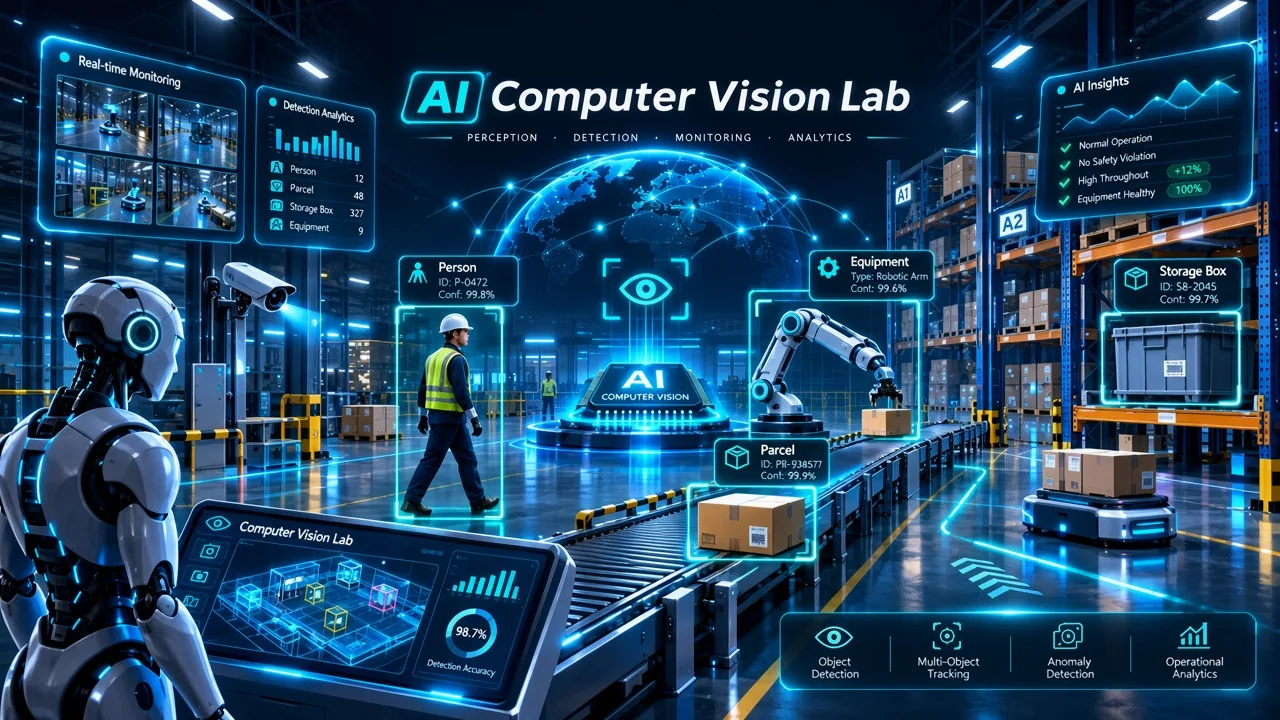
Vision systems are designed around a fixed camera, a defined object, and a rate the line or the room actually moves. We treat lighting, occlusion, and false alarms as part of the engineering, and we keep a path for a person to review a frame.
Technologies
- Object detection
- Counting
- Inspection
What this is for
- The camera, the classes, and the operator view are agreed first.
- A person can still review a frame when a count matters.
Object detection
Locating known objects in a frame from a camera whose position and field of view are part of the design.
CCTV video analytics
Analysis of existing or new cameras for a stated event, such as a blocked zone or an object left in a marked area.
Object counting
Counts as items cross a line or enter a zone, with a stored image for counts that need a second look.
Quality inspection
Visual checks for a defect or a missing part on a repeatable product, gated by a sample set you agree in advance.
Image processing
Calibration, thresholding, measurement, and other classical steps used on their own or ahead of a detector.
Real-time inference
Detection running at the frame rate the process needs, on a machine sized for that stream.
07
Robotics & Automation
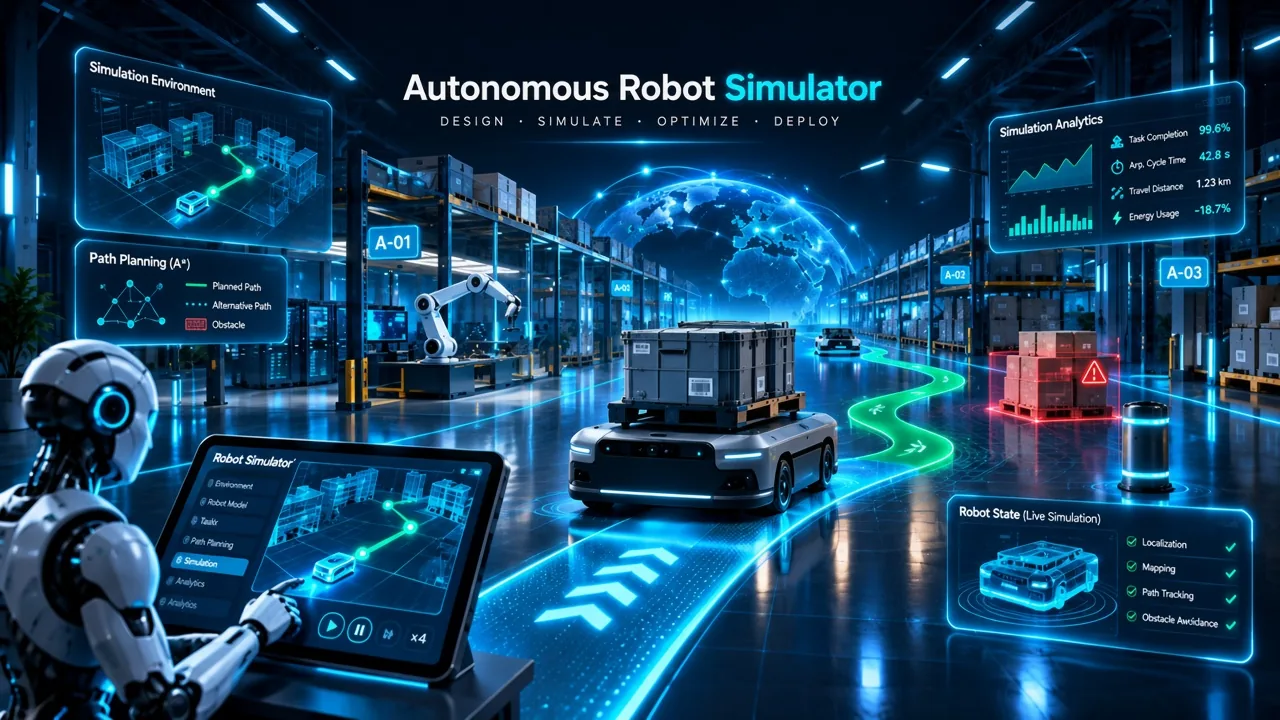
Robotics work connects sensors, a map, and a motion stack, then checks the behaviour in simulation before a physical platform is asked to move. The software is structured so navigation, sensing, and the operator interface can be tested apart from each other.
Technologies
- ROS 2
- Path planning
- Simulation
What this is for
- Routes and stop conditions can be discussed before a vehicle is bought.
- Navigation, sensing, and the operator screen can be tested apart.
ROS 2
Nodes, topics, and launch files for robot software that more than one person will have to run and debug.
Mobile robotics
Indoor platforms for moving material or carrying sensors along a route a site can actually keep clear.
Autonomous navigation
Mapping, localisation, and path following with an explicit stop when the route or the sensors are not trustworthy.
Sensor integration
Lidar, cameras, inertial units, and bump sensors brought into one frame the navigator can use.
Robotic simulation
Gazebo scenes used to try a route, a sensor layout, and failure cases before hardware time is booked.